Artificial Intelligence has moved far beyond being a futuristic concept. In 2026, it has become one of the most powerful forces driving modern marketing strategies. Businesses of all sizes are leveraging AI in marketing tools to create content, optimize advertisements, understand customer behavior, and automate repetitive tasks. The result is a marketing ecosystem that is faster, smarter, and more data-driven than ever before.
2.Mistakes to Avoid When Using AI in Marketing
While AI is powerful, using it incorrectly can hurt your marketing efforts. One common mistake is over-automation. If everything is automated, your brand may lose its human touch. Customers can easily recognize generic, robotic content.Mistakes to Avoid When Using AI in Marketing
While AI is powerful, using it incorrectly can hurt your marketing efforts. One common mistake is over-automation. If everything is automated, your brand may lose its human touch. Customers can easily recognize generic, robotic content.
Another mistake is blind trust in AI in marketing outputs. AI is not perfect. It can generate incorrect or outdated information. Always review and edit AI-generated content before publishing.
Many businesses also ignore data privacy and compliance. Using AI in marketing responsibly means protecting customer data and being transparent about how it is used. Failing to do so can damage trust and even lead to legal issues.
Lastly, avoid using too many tools at once. It’s better to master a few powerful tools than to juggle many without a clear strategy.
Another mistake is blind trust in AI outputs. AI is not perfect. It can generate incorrect or outdated information. Always review and edit AI-generated content before publishing.
Many businesses also ignore data privacy and compliance. Using AI responsibly means protecting customer data and being transparent about how it is used. Failing to do so can damage trust and even lead to legal issues.
Lastly, avoid using too many tools at once. It’s better to master a few powerful tools than to juggle many without a clear strategy.
3.AI In Marketing
Think of AI in marketing as a highly skilled marketing assistant that never sleeps. It can analyze millions of data points in seconds, identify patterns that humans might miss, and provide actionable recommendations. Whether you are running a small business, managing an eCommerce store, or leading a multinational brand, AI tools can help you make better decisions and achieve stronger marketing results.
The rise of generative AI in marketing platforms has made advanced marketing capabilities accessible to everyone. Tasks that once required large teams and significant budgets can now be completed efficiently using AI-powered solutions. This democratization of technology is reshaping competition across industries and creating new opportunities for marketers worldwide.
4.Mistakes to Avoid When Using AI in Marketing
While AI is powerful, using it incorrectly can hurt your marketing efforts. One common mistake is over-automation. If everything is automated, your brand may lose its human touch. Customers can easily recognize generic, robotic content.
Another mistake is blind trust in AI outputs. AI is not perfect. It can generate incorrect or outdated information. Always review and edit AI-generated content before publishing.
Many businesses also ignore data privacy and compliance. Using AI responsibly means protecting customer data and being transparent about how it is used. Failing to do so can damage trust and even lead to legal issues.
Lastly, avoid using too many tools at once. It’s better to master a few powerful tools than to juggle many without a clear strategy.
5.Marketing Tools
1.What Are AI Marketing Tools?
AI marketing tools are software applications that use machine learning, natural language processing, predictive analytics, and automation to improve marketing performance. These tools help businesses generate content, optimize campaigns, personalize customer experiences, and analyze market trends.
Examples include content creation tools like ChatGPT, design platforms like Canva AI, SEO assistants like Surfer SEO, and advertising optimization systems used by Google and Meta. These tools work by processing large datasets and generating insights or outputs that would take humans significantly longer to produce.
2.Why AI Matters More Than Ever in 2026
The digital landscape is becoming increasingly competitive. Customers expect personalized experiences, immediate responses, and relevant content. wp review AI in marketinghelps businesses meet these expectations at scale while reducing operational costs and improving efficiency.
Marketing teams are no longer asking whether they should use AI. Instead, they are focusing on how to integrate AI in marketing effectively into their workflows. Organizations that fail to adapt risk falling behind competitors who can create content faster, optimize campaigns more effectively, and understand customer behavior more deeply.
3.Current AI Marketing Statistics
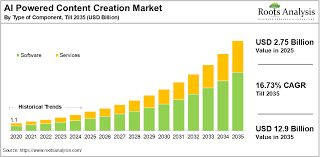
The numbers behind AI adoption reveal just how significant this transformation has become. Recent research shows that AI in marketing is now a mainstream component of marketing operations across industries.
According to recent 2026 marketing research, approximately 84% of marketing teams use at least one AI tool regularly, compared to just 61% in 2024. AI content creation remains the most common use case, with over 70% of marketing teams leveraging AI-powered writing and content generation tools.
Additional studies indicate that 77% of marketing teams use AI for at least one core marketing function, while marketers adopting AI report significantly higher revenue growth than those who do not. AI-powered personalization, email marketing, and advertising optimization continue to deliver measurable improvements in engagement and conversions.
4. AI Marketing Statistics Table
Metric 2026 Data
Marketing teams using AI 77%–84%
AI content creation adoption 68%–72%
AI-driven personalization usage 61%
AI chatbot implementation 53%
Social media AI tool usage 46%
Average ROI improvement 35%+
2.Sources: Industry reports and marketing research studies from 2026.
5.Key Benefits of AI Tools in Marketing
Improved Productivity
One of the biggest advantages of AI marketing tools is increased productivity. Marketing professionals often spend hours performing repetitive tasks such as keyword research, content drafting, data analysis, and campaign reporting. AI automates many of these activities, allowing teams to focus on strategy and creativity.
Research suggests marketers save several hours each week through AI-assisted workflows. This extra time can be invested in developing innovative campaigns, building customer relationships, and refining marketing strategies.
6.Better Customer Insights
Modern consumers generate enormous amounts of data through online interactions. AI excels at processing this information and identifying meaningful patterns. Businesses can understand customer preferences, predict purchasing behavior, and uncover new opportunities using advanced analytics.
These insights enable marketers to create highly targeted campaigns that resonate with specific audience segments. Instead of relying on assumptions, businesses can make decisions based on data-driven intelligence.
7.Personalized Customer Experiences
Personalization has become a key differentiator in modern marketing. AI allows brands to deliver tailored experiences to individual users based on their behaviors, interests, and purchase history.
From personalized product recommendations to customized email campaigns, AI helps businesses create meaningful interactions that increase engagement and customer loyalty. Studies show that AI-driven personalization can significantly improve conversion rates and customer satisfaction.
Top AI Marketing Tools in 2026
3. AI Content Creation Tools
1.ChatGPT
ChatGPT remains one of the most popular AI tools for marketers. It assists with blog writing, social media content, email campaigns, ad copy, content planning, and customer communication. Marketers use it to generate ideas, draft content, and accelerate content production without sacrificing quality.
2.Jasper AI
Jasper AI specializes in marketing-focused content creation. It helps businesses produce SEO-friendly blog posts, landing pages, product descriptions, and advertising copy. Many marketing agencies rely on Jasper to streamline content workflows and maintain consistent brand messaging.
AI Design and Creative Tools
1.Canva AI
Canva AI has revolutionized graphic design for marketers. Users can create professional social media graphics, presentations, banners, and advertisements without advanced design skills. The platform combines simplicity with powerful AI-assisted design capabilities.
2.Adobe Firefly
Adobe Firefly enables marketers to generate images, creative assets, and visual content using generative AI. It helps brands produce high-quality visuals quickly while maintaining brand consistency across campaigns.
AI SEO and Analytics Tools
1.Semrush AI Features
Semrush integrates AI into keyword research, content optimization, competitive analysis, and search visibility monitoring. Marketers use it to identify ranking opportunities and improve organic search performance.
2.Surfer SEO
Surfer SEO leverages AI to optimize content for search engines. It provides recommendations for keyword placement, content structure, and optimization strategies that improve rankings and visibility.
AI Applications Across Marketing Channels
Content Marketing
Content marketing has experienced one of the most dramatic transformations through AI. Businesses now use AI to generate blog posts, video scripts, social media captions, and website copy. AI assists with research, ideation, optimization, and editing, making content production significantly faster.